Blog

Improving Foot Pronation with Gait Retraining

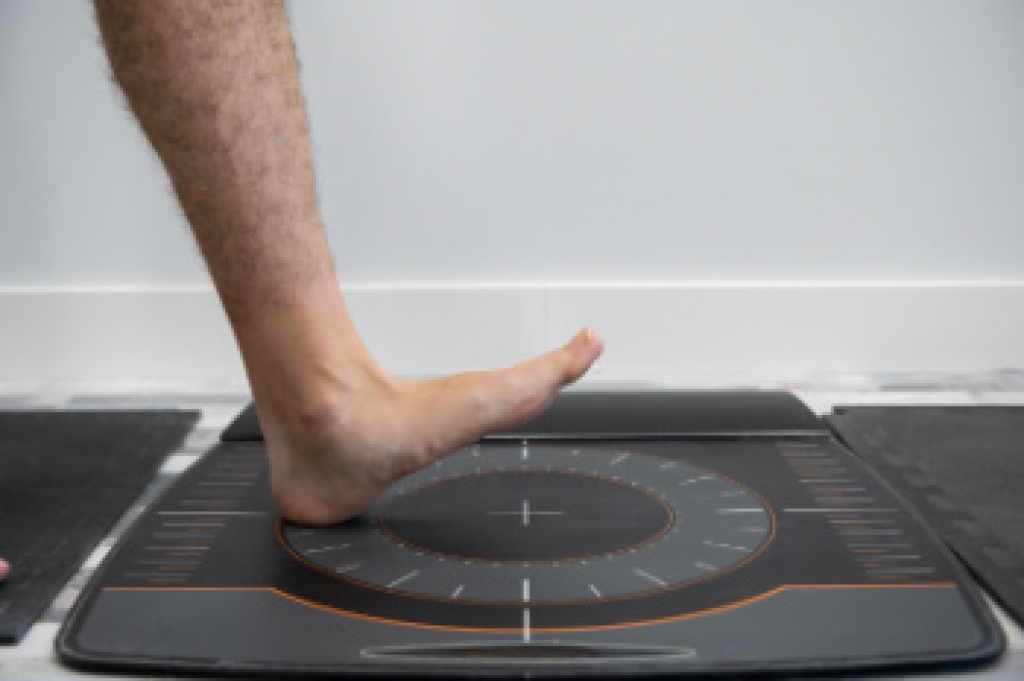
Foot pronation is a natural inward rolling of the foot during walking, but when it becomes excessive, it can place added stress on the arch, heel, and ankle. Over time, this may lead to discomfort, fatigue, or strain in other areas, such as the knees or hips. Gait retraining focuses on improving how you walk by making small, controlled changes to movement patterns. This may include adjusting stride length, foot placement, and posture to reduce unnecessary inward motion. Strengthening the muscles that support the arch and improving balance can also help create better control with each step. Wearing supportive footwear or orthotics may be used alongside retraining to guide proper alignment. With consistent practice, these changes can lead to more efficient movement and less strain on the foot. If walking is causing ongoing discomfort, it is suggested that you see a podiatrist for an evaluation of your walking patterns and treatment.

If you have any concerns about your feet, contact John Killough, DPM from Regional Foot Center. Our doctor can provide the care you need to keep you pain-free and on your feet.

Biomechanics in Podiatry

Podiatric biomechanics is a particular sector of specialty podiatry with licensed practitioners who are trained to diagnose and treat conditions affecting the foot, ankle and lower leg. Biomechanics deals with the forces that act against the body, causing an interference with the biological structures. It focuses on the movement of the ankle, the foot and the forces that interact with them.

A History of Biomechanics

  • Biomechanics dates back to the BC era in Egypt where evidence of professional foot care has been recorded.
  • In 1974, biomechanics gained a higher profile from the studies of Merton Root, who claimed that by changing or controlling the forces between the ankle and the foot, corrections or conditions could be implemented to gain strength and coordination in the area.

Modern technological improvements are based on past theories and therapeutic processes that provide a better understanding of podiatric concepts for biomechanics. Computers can provide accurate information about the forces and patterns of the feet and lower legs.

Understanding biomechanics of the feet can help improve and eliminate pain, stopping further stress to the foot.

If you have any questions please feel free to contact our offices located in Charleston and Effingham, IL . We offer the newest diagnostic and treatment technologies for all your foot and ankle needs.

Read more about Biomechanics in Podiatry

Foot Exercises While Sitting at Your Desk

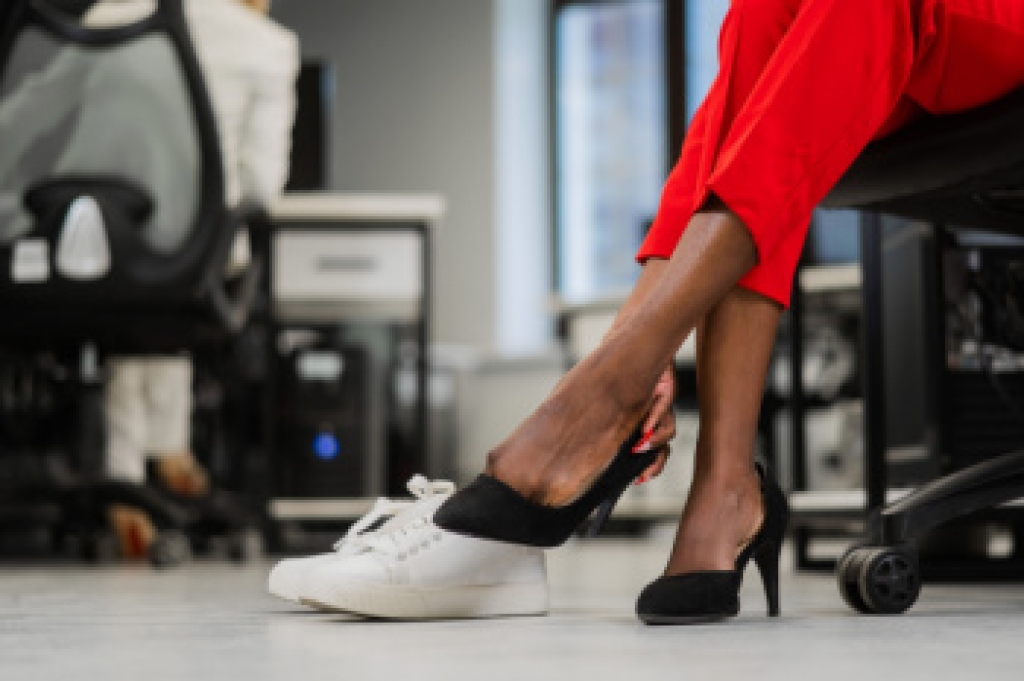
Foot exercises performed while sitting at a desk can help maintain strength, flexibility, and circulation in the feet. The feet support body weight, absorb shock, and help with balance during daily movement. When these structures become weak or stiff, larger muscles in the legs must work harder, which can increase fatigue and injury risk. Simple desk exercises may include gently lifting and spreading the toes, raising the arch without curling the toes, or pressing the feet in different directions to activate stabilizing muscles around the ankle. These small muscles play an important role in joint stability, meaning they help keep the foot and ankle properly aligned when walking and standing. A podiatrist can evaluate foot function, identify muscle imbalances, and recommend specific exercises or supportive devices to improve strength and reduce strain. If you spend long hours at work sitting at a desk, it is suggested that you make an appointment with a podiatrist for a targeted exercise program to improve foot health.

Exercising your feet regularly with the proper foot wear is a great way to prevent injuries and build strength. If you have any concerns about your feet, contact John Killough, DPM from Regional Foot Center. Our doctor can provide the care you need to keep you pain-free and on your feet.

Exercise for Your Feet

Exercise for your feet can help you gain strength, mobility and flexibility in your feet. They say that strengthening your feet can be just as rewarding as strengthening another part of the body. Your feet are very important, and we often forget about them in our daily tasks. But it is because of our feet that are we able to get going and do what we need to. For those of us fortunate enough to not have any foot problems, it is an important gesture to take care of them to ensure good health in the long run.

Some foot health exercises can include ankle pumps, tip-toeing, toe rises, lifting off the floor doing reps and sets, and flexing the toes. It is best to speak with Our doctor to determine an appropriate regimen for your needs. Everyone’s needs and bodies are different, and the activities required to maintain strength in the feet vary from individual to individual. 

Once you get into a routine of doing regular exercise, you may notice a difference in your feet and how strong they may become.

If you have any questions, please feel free to contact our offices located in Charleston and Effingham, IL . We offer the newest diagnostic and treatment technologies for all your foot care needs.
Read more about Exercise for Your Feet

Are Bunions Affecting Your Everyday Life?

Have you noticed a bony protrusion on the side of your big toe? If so, you may have developed the foot condition known as a bunion. Don't let bunions interfere with your daily activities.

Connect with us