If you are suffering from tenderness, pain, or stiffness in the joints of your feet or ankles, call us to schedule an appointment.
If you are suffering from tenderness, pain, or stiffness in the joints of your feet or ankles, call us to schedule an appointment.
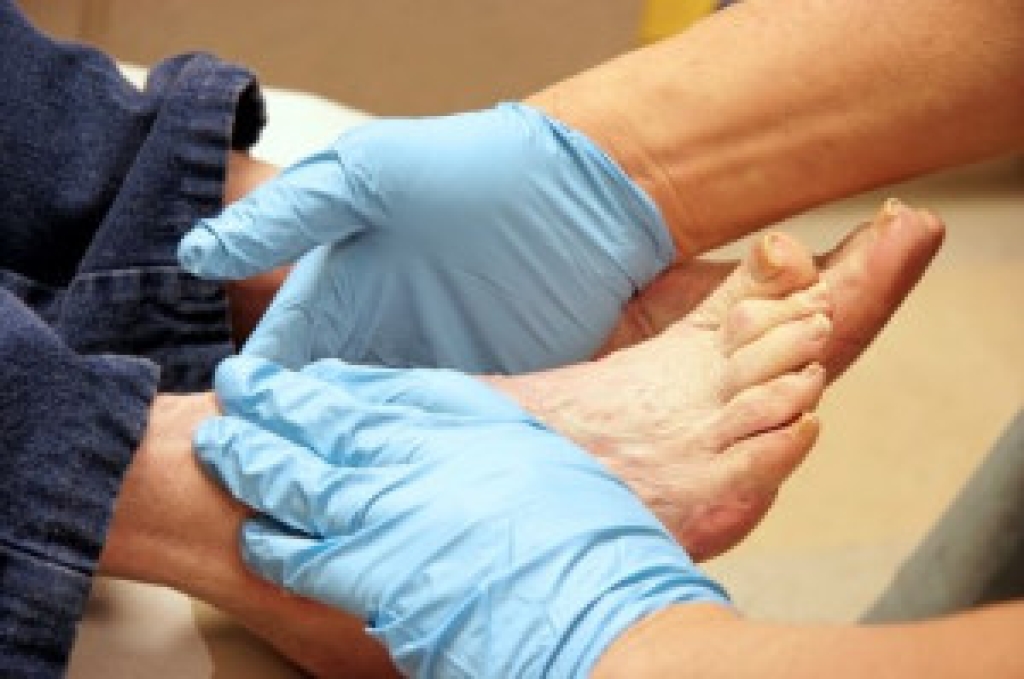
Diabetic foot disease refers to a group of serious foot problems that develop when diabetes affects circulation, nerve function, and the body’s ability to heal properly. Reduced feeling in the feet may prevent people from noticing cuts, blisters, pressure sores, or injuries before they become severe. Poor blood flow can also slow healing and increase the risk of infection. Many patients first notice numbness, tingling, swelling, skin discoloration, or changes in foot shape. Without treatment, these problems may lead to deep infections, tissue damage, or ulcers, which are open sores that can become difficult to heal. A podiatrist can examine the feet for early warning signs, evaluate circulation and nerve function, treat wounds, and help reduce pressure that contributes to skin breakdown. Ongoing diabetic foot care may lower the risk of serious complications and improve long-term foot health. If you have diabetes and notice changes in your feet, it is strongly suggested that you visit a podiatrist for care.
Diabetic foot care is important in preventing foot ailments such as ulcers. If you are suffering from diabetes or have any other concerns about your feet, contact John Killough, DPM from Regional Foot Center. Our doctor can provide the care you need to keep you pain-free and on your feet.
Diabetic Foot Care
Diabetes affects millions of people every year. The condition can damage blood vessels in many parts of the body, especially the feet. Because of this, taking care of your feet is essential if you have diabetes, and having a podiatrist help monitor your foot health is highly recommended.
The Importance of Caring for Your Feet
Patients with diabetes should have their doctor monitor their blood levels, as blood sugar levels play such a huge role in diabetic care. Monitoring these levels on a regular basis is highly advised.
It is always best to inform your healthcare professional of any concerns you may have regarding your feet, especially for diabetic patients. Early treatment and routine foot examinations are keys to maintaining proper health, especially because severe complications can arise if proper treatment is not applied.
If you have any questions, please feel free to contact our offices located in Charleston, IL . We offer the newest diagnostic and treatment technologies for all your foot care needs.
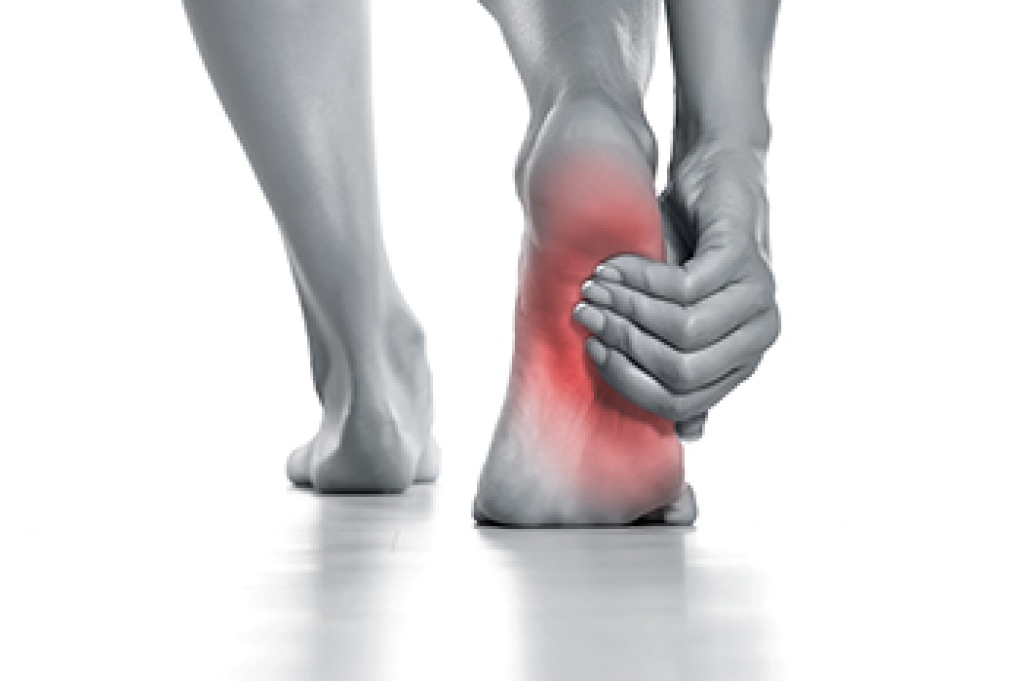
Heel pain can arise from several conditions that affect daily comfort and mobility. Plantar fasciitis involves inflammation of the band of tissue that supports the arch. It often causes sharp pain on the bottom of the feet after rest. Sever’s disease is a growth-related condition in active children that leads to irritation at the heel. Heel pad atrophy refers to thinning of the natural cushioning under the heel, leading to deep aching pain. Risk factors include overuse, wearing improper footwear, age, and foot structure. A podiatrist can diagnose the cause, recommend supportive treatments, and help prevent further discomfort. If you have heel pain, it is suggested that you consult a podiatrist who can determine the cause and offer effective treatment solutions.
Many people suffer from bouts of heel pain. For more information, contact John Killough, DPM of Regional Foot Center. Our doctor can provide the care you need to keep you pain-free and on your feet.
Causes of Heel Pain
Heel pain is often associated with plantar fasciitis. The plantar fascia is a band of tissues that extends along the bottom of the foot. A rip or tear in this ligament can cause inflammation of the tissue.
Achilles tendonitis is another cause of heel pain. Inflammation of the Achilles tendon will cause pain from fractures and muscle tearing. Lack of flexibility is also another symptom.
Heel spurs are another cause of pain. When the tissues of the plantar fascia undergo a great deal of stress, it can lead to ligament separation from the heel bone, causing heel spurs.
Why Might Heel Pain Occur?
Treatments
Heel pain should be treated as soon as possible for immediate results. Keeping your feet in a stress-free environment will help. If you suffer from Achilles tendonitis or plantar fasciitis, applying ice will reduce the swelling. Stretching before an exercise like running will help the muscles. Using all these tips will help make heel pain a condition of the past.
If you have any questions, please feel free to contact our offices located in Charleston, IL . We offer the newest diagnostic and treatment technologies for all your foot care needs.

A heel spur is a bony growth that forms on the underside or back of the heel, often linked to strain on foot tissues. Symptoms include sharp heel pain, especially with the first steps in the morning or after rest. Risk factors include repetitive stress, poor footwear, and tight calf muscles. Gentle stretches can help relieve tension. A big toe stretch involves pulling the toe upward to stretch the arch, while a calf stretch against a wall is done by stepping one foot back and pressing the heel down. Additionally, a calf stretch on a step allows the heel to lower below the edge, and a seated calf stretch involves using a towel to pull the foot upward. Heel spurs can be painful. If this applies to you, it is suggested that you consult a podiatrist who can offer effective relief tips and discuss treatment options with you.
Stretching the feet is a great way to prevent injuries. If you have any concerns with your feet consult with John Killough, DPM from Regional Foot Center. Our doctor will assess your condition and provide you with quality foot and ankle treatment.
Stretching the Feet
Stretching the muscles in the foot is an important part in any physical activity. Feet that are tight can lead to less flexibility and make you more prone to injury. One of the most common forms of foot pain, plantar fasciitis, can be stretched out to help ease the pain. Stretching can not only ease pain from plantar fasciitis but also prevent it as well. However, it is important to see a podiatrist first if stretching is right for you. Podiatrists can also recommend other ways to stretch your feet. Once you know whether stretching is right for you, here are some excellent stretches you can do.
It is best to go easy when first stretching your foot and work your way up. If your foot starts hurting, stop exercising and ice and rest the foot. It is advised to then see a podiatrist for help.
If you have any questions please contact our offices located in Charleston, IL . We offer the newest diagnostic and treatment technologies for all your foot and ankle needs.
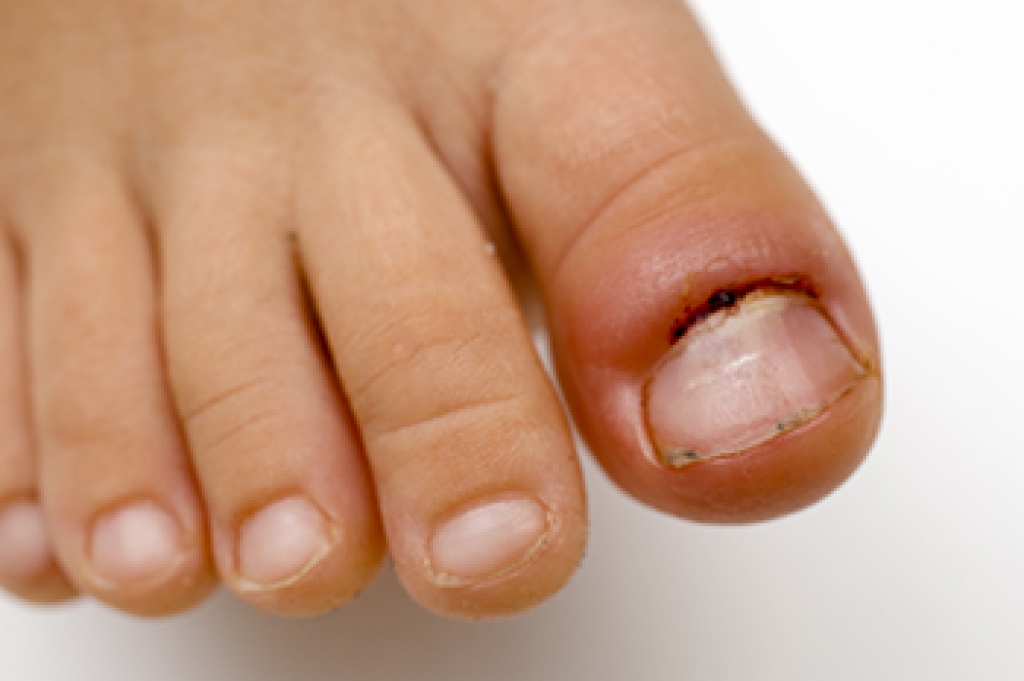
Toe infections can begin when bacteria or fungi enter the skin through small openings, such as cuts, cracks, or irritated nail edges. Common infections include ingrown toenails and fungal nail conditions that affect the nail bed. The area may look red, swollen, and warm, and it can feel tender, sore, or throbbing. Some infections produce drainage, odor, or thickened and discolored nails. Discomfort may increase with walking or pressure from shoes, making daily activity more challenging. Causes often involve improper nail trimming, tight footwear, minor trauma, or damp environments that encourage growth of organisms. A podiatrist can identify the source of the infection and evaluate its severity. Treatment may involve careful cleaning and topical or oral medication. In some cases a minor procedure is needed to relieve pressure or remove affected tissue. If you suspect a toe infection, it is suggested that you make an appointment with a podiatrist.
Toe pain can disrupt your daily activities. If you have any concerns, contact John Killough, DPM of Regional Foot Center. Our doctor can provide the care you need to keep you pain-free and on your feet.
What Causes Toe Pain?
Most severe toe pain is caused due to a sports injury, trauma from dropping something heavy on the toe, or bumping into something rigid. Other problems can develop over time for various reasons.
Toe pain can be caused by one or more ailments. The most common include:
When to See a Podiatrist
Diagnosis
In many cases the cause of toe pain is obvious, but in others, a podiatrist may want to use more advanced methods to determine the problem. These can range from simple visual inspections and sensation tests to X-rays and MRI scans. Prior medical history, family medical history, and any recent physical traumatic events will all be taken into consideration for a proper diagnosis.
Treatment
Treatments for toe pain and injuries vary and may include shoe inserts, padding, taping, medicines, injections, and in some cases, surgery. If you believe that you have broken a toe, please see a podiatrist as soon as possible.
If you have any questions please contact our offices located in Charleston, IL . We offer the newest diagnostic and treatment technologies for all your foot and ankle needs.