Do you suffer from heel pain when you get up in the morning? If so, you should seek professional help and have a proper diagnosis performed. Heel pain can be caused by several different foot-related conditions.
Do you suffer from heel pain when you get up in the morning? If so, you should seek professional help and have a proper diagnosis performed. Heel pain can be caused by several different foot-related conditions.
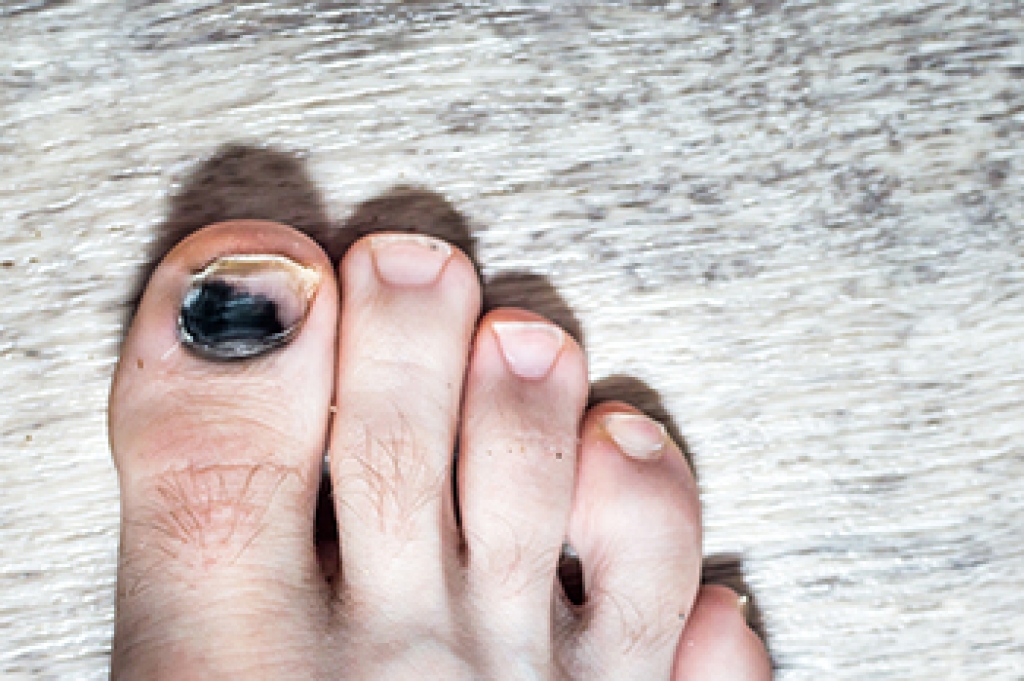
A black toenail can develop when blood, debris, or pigment collects beneath or within the nail. Repeated pressure from wearing tight shoes can injure the toe, especially while running or hiking. A dropped object can also break tiny blood vessels under the nail and cause sudden pain, swelling, and dark color. Fungal infections sometimes thicken the nail and create debris that makes it look black. Natural pigment changes can produce dark streaks, particularly in people with darker skin. Less frequently, a black nail can point to diabetes, kidney disease, or heart disease. It can also be a sign of melanoma, a serious form of skin cancer.
A podiatrist should examine a black toenail when its cause is unclear. An exam is also needed if the nail changes shape or discoloration does not grow out naturally. The podiatrist can determine whether discoloration comes from trapped blood, infection, or pigment. Testing a small nail sample can help confirm fungus. A tissue sample may be examined when the dark area has features linked to melanoma. Prompt evaluation is especially important when discoloration spreads onto nearby skin, if pain becomes intense, or if drainage develops.
A podiatrist can make a tiny opening in an injured nail to release trapped blood and ease pressure. The doctor can remove damaged nail material or treat an infection. Suspicious pigment changes can be tested, and care with a skin-cancer specialist can be arranged. To reduce injury risk, choose well-fitting shoes with enough toe room and proper support. Keep toenails trimmed straight across. Protective shoes can help when work creates a risk of heavy objects falling on the feet. Regular foot checks make new color changes easier to notice. If you have toenails that appear black or discolored, it is suggested that you schedule an appointment with a podiatrist for a diagnosis and appropriate treatment.
Toe pain can disrupt your daily activities. If you have any concerns, contact John Killough, DPM of Regional Foot Center. Our doctor can provide the care you need to keep you pain-free and on your feet.
What Causes Toe Pain?
Most severe toe pain is caused due to a sports injury, trauma from dropping something heavy on the toe, or bumping into something rigid. Other problems can develop over time for various reasons.
Toe pain can be caused by one or more ailments. The most common include:
When to See a Podiatrist
Diagnosis
In many cases the cause of toe pain is obvious, but in others, a podiatrist may want to use more advanced methods to determine the problem. These can range from simple visual inspections and sensation tests to X-rays and MRI scans. Prior medical history, family medical history, and any recent physical traumatic events will all be taken into consideration for a proper diagnosis.
Treatment
Treatments for toe pain and injuries vary and may include shoe inserts, padding, taping, medicines, injections, and in some cases, surgery. If you believe that you have broken a toe, please see a podiatrist as soon as possible.
If you have any questions please contact our offices located in Charleston, IL . We offer the newest diagnostic and treatment technologies for all your foot and ankle needs.

Diabetic foot ulcers are open sores or wounds that develop on the feet due to complications from diabetes. These ulcers often occur when high blood sugar levels affect circulation and nerve function, leading to reduced healing ability and loss of sensation. When a person cannot feel minor injuries, such as cuts or pressure points, these issues can worsen without notice. Diabetic foot ulcers are a serious condition that requires early attention to prevent infection and long-term complications.
Common symptoms include redness, swelling, drainage, and areas of skin breakdown that do not heal properly. Some individuals may notice warmth or a foul odor around the affected area. Risk factors include poor blood flow, nerve damage, high blood sugar levels, and wearing improper footwear. Individuals who smoke, have a history of foot injuries, or struggle with foot hygiene are at higher risk. Regular foot checks are important to identify early signs before they progress into more severe wounds.
Lifestyle plays a significant role in the development and management of diabetic foot ulcers. Sedentary behavior is not beneficial, as limited movement can reduce circulation and increase pressure on certain areas of the feet. A balanced routine that includes safe physical activity, proper footwear, and consistent blood sugar management can help reduce risk. Maintaining a healthy weight and avoiding prolonged pressure on the same areas of the foot are also important preventive measures.
The benefits of early prevention include reduced risk of infection, faster healing, and improved overall foot health. Addressing symptoms early can help avoid complications such as deep tissue damage or loss of limb. Proper care, including routine foot inspections and supportive footwear, is essential for individuals with diabetes. If you have signs of a diabetic foot ulcer, it is suggested that you are under the care of a podiatrist who can help you manage this serious condition.
Diabetic foot care is important in preventing foot ailments such as ulcers. If you are suffering from diabetes or have any other concerns about your feet, contact John Killough, DPM from Regional Foot Center. Our doctor can provide the care you need to keep you pain-free and on your feet.
Diabetic Foot Care
Diabetes affects millions of people every year. The condition can damage blood vessels in many parts of the body, especially the feet. Because of this, taking care of your feet is essential if you have diabetes, and having a podiatrist help monitor your foot health is highly recommended.
The Importance of Caring for Your Feet
Patients with diabetes should have their doctor monitor their blood levels, as blood sugar levels play such a huge role in diabetic care. Monitoring these levels on a regular basis is highly advised.
It is always best to inform your healthcare professional of any concerns you may have regarding your feet, especially for diabetic patients. Early treatment and routine foot examinations are keys to maintaining proper health, especially because severe complications can arise if proper treatment is not applied.
If you have any questions, please feel free to contact our offices located in Charleston, IL . We offer the newest diagnostic and treatment technologies for all your foot care needs.

Bunions and buninettes develop when the bones in the toe area gradually shift out of alignment. A bunion, also called hallux valgus, forms when the big toe moves toward the smaller toes as the joint at the base of the big toe becomes enlarged and prominent. A buninette, also known as a tailor’s bunion, develops on the outside of the foot near the base of the little toe. Both conditions can change foot structure and may become painful without proper care.
Symptoms of bunions and buninettes often include a visible bump, swelling, redness, and tenderness around the affected joint. People may experience discomfort while walking or wearing shoes, especially narrow footwear that places pressure on the affected area. Other symptoms can include stiffness, difficulty moving the toe, and irritation caused by friction against shoes. In advanced cases, these deformities may contribute to changes in walking patterns and increased stress on other areas of the foot.
Several risk factors can contribute to the development of bunions and buninettes. Genetics often play a role because inherited foot structure, such as flat feet or abnormal joint alignment, can increase the likelihood of developing these conditions. Wearing tight, narrow, or poorly fitting shoes may place additional pressure on the toes and worsen symptoms. Other risk factors include arthritis, muscle imbalance, and activities that place repeated stress on the feet.
The causes of bunions and buninettes are often related to gradual changes in foot mechanics and alignment. Abnormal movement while walking can place uneven pressure on the toe joints, leading to progressive changes over time. Early evaluation and proper treatment can help reduce discomfort and support better foot function. Wearing supportive footwear, activity adjustments, and custom orthotics may help manage symptoms and improve comfort. If you have developed a bunion or bunionette, it is suggested that you consult a podiatrist for effective relief and management solutions.
If you are suffering from bunions, contact John Killough, DPM of Regional Foot Center. Our doctor can provide the care you need to keep you pain-free and on your feet.
What Is a Bunion?
A bunion is formed of swollen tissue or an enlargement of boney growth, usually located at the base joint of the toe that connects to the foot. The swelling occurs due to the bones in the big toe shifting inward, which impacts the other toes of the foot. This causes the area around the base of the big toe to become inflamed and painful.
Why Do Bunions Form?
Genetics – Susceptibility to bunions are often hereditary
Stress on the feet – Poorly fitted and uncomfortable footwear that places stress on feet, such as heels, can worsen existing bunions
How Are Bunions Diagnosed?
Podiatrists often perform two tests – blood tests and x-rays – when trying to diagnose bunions, especially in the early stages of development. Blood tests help determine if the foot pain is being caused by something else, such as arthritis, while x-rays provide a clear picture of your bone structure to your provider.
How Are Bunions Treated?
If you have any questions, please feel free to contact our offices located in Charleston, IL . We offer the newest diagnostic and treatment technologies for all your foot care needs.

Selecting the right treadmill shoes is essential for maintaining foot health and improving workout performance. Treadmill shoes are designed to support repetitive forward motion while reducing impact on the feet and joints. The definition of a proper treadmill shoe includes features such as a supple midsole cushioning system, low shock absorption, and a generous toe box. These elements work together to provide stability, comfort, and protection during indoor running or walking routines.
Symptoms of wearing improper shoes on a treadmill may include foot pain, blisters, and joint discomfort. Some individuals may experience arch pain or heel soreness due to poor shock absorption. Tight shoes can cause pressure on the toes, while loose shoes may lead to instability and friction. These issues can affect workout consistency and increase the risk of injury. Recognizing these symptoms early can help prevent long-term foot problems.
Risk factors for treadmill related foot pain include improper shoe fitting, worn out footwear, and lack of proper cushioning. Shoes that do not match foot shape or size can lead to uneven weight distribution. A narrow toe box may compress the toes, while insufficient midsole support may fail to absorb repeated impact. These factors highlight the importance of selecting shoes designed specifically for treadmill use.
Choosing the best treadmill shoes involves proper fitting and attention to key features. A well-fitted shoe should allow space for toe movement while providing a secure heel fit. Supple midsole cushioning helps absorb impact, while low shock design reduces strain on joints. A generous toe box improves comfort and prevents crowding. Regularly replacing worn shoes and monitoring foot comfort can support better outcomes. If you have foot pain from shoes on a treadmill, it is suggested that you consult a podiatrist for effective relief tips, and guidance on choosing the best treadmill shoes for you.
Finding a properly-fitting shoe is important in reducing injuries and preventing foot problems. For more information about treatment, contact John Killough, DPM from Regional Foot Center. Our doctor will treat your foot and ankle needs.
Proper Shoe Fitting
A common concern when it comes to foot health, having properly fitted shoes can help prevent injuries to the foot. Out feet affect our posture and gait, which in turn affects the biomechanics and overall bodily structure. With 33 joints, 26 bones, and over 100 ligaments, the potential for serious injury is much greater than one realizes. Although the feet cease growth in adulthood, they still change shape as they mature. Here are some factors to consider when it comes to investing in proper fitting shoes:
Keeping in mind how shoes fit the biomechanics of your body, properly-fitting shoes are vitally important. Fortunately, it is not difficult to acquire footwear that fits correctly. Be sure to wear shoes that support the overall structure of your body. Do your feet a favor and invest in several pairs of well-fitted shoes today.
If you have any questions, please feel free to contact our offices located in Charleston, IL . We offer the newest diagnostic and treatment technologies for all your foot care needs.