Blog

Understanding Flat Feet

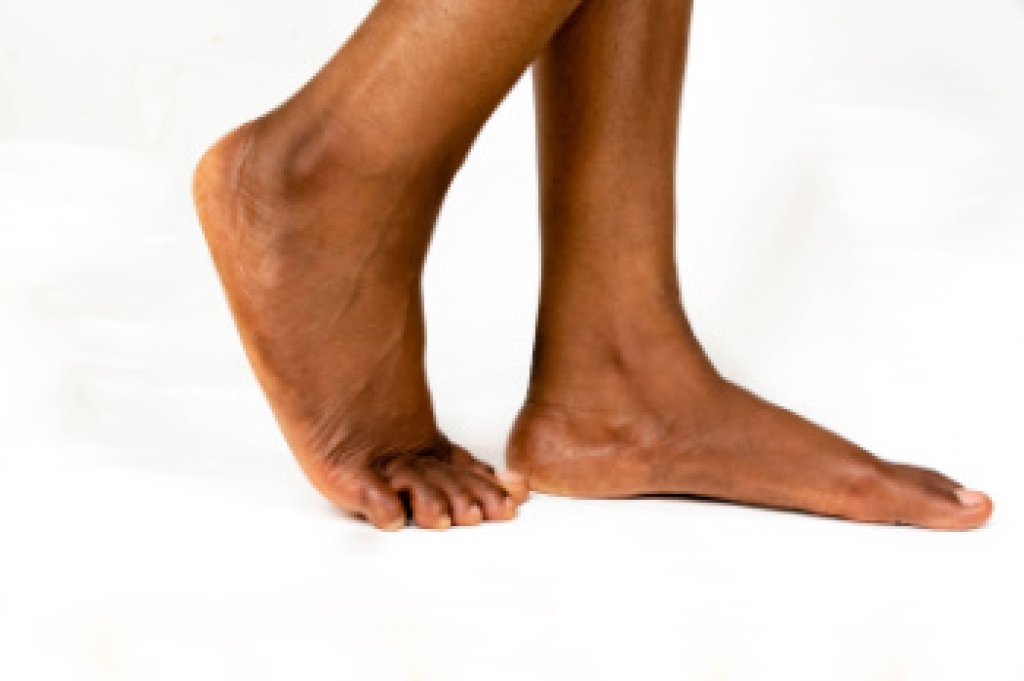
Flat feet develop when the arches of the feet are low or appear to disappear while standing. The arches normally help absorb pressure and support movement when walking, running, or jumping. Some people have flat feet without experiencing any discomfort. Others notice aching along the inner foot, tired feet, or ankle pain after spending hours standing. The heel may tilt outward, and shoes may wear unevenly. In children and teenagers, flat feet can be part of normal development. A flexible flat foot shows an arch when the foot is not bearing weight but flattens when standing. A rigid flat foot remains flat even without weight on it. Understanding this difference helps a podiatrist decide whether further evaluation is appropriate.

Flat feet can have several causes, and not every case begins in childhood. Some adults naturally have low arches and never develop symptoms. Others experience acquired flat feet, meaning the arch becomes lower after previously having a more noticeable shape. Weakness or damage in the tendon that supports the inner arch can contribute to this change. Injury, arthritis, and increased pressure on the feet can also play a role. Patients may notice swelling near the inner ankle or difficulty rising onto their toes. Sometimes only one foot changes shape. A gradually collapsing arch can place additional strain on nearby joints and make longer walks uncomfortable. Because the cause affects the treatment approach, a podiatrist can distinguish a flexible foot from a more stiff or painful condition.

A podiatrist can examine foot alignment while a patient stands and walks. The examination may include checking ankle movement, tendon strength, and areas of tenderness. X-rays can provide more information about bone position when symptoms suggest a structural problem. Treatment depends on whether flat feet cause pain or interfere with daily activities. For patients without symptoms, treatment may not be necessary. When discomfort is present, a podiatrist may recommend supportive shoes or custom orthotics to improve pressure distribution. A brace can provide additional support when the arch has become weak or unstable. The podiatrist can also guide targeted strengthening exercises and monitor changes in foot shape. Early assessment is especially valuable when a previously normal arch begins to flatten, or pain becomes persistent. If you have symptoms of flat feet, it is suggested that you schedule an appointment with a podiatrist for diagnosis and treatment.

Flatfoot is a condition many people suffer from. If you have flat feet, contact John Killough, DPM from Regional Foot Center. Our doctor will treat your foot and ankle needs.

What Are Flat Feet?

Flatfoot is a condition in which the arch of the foot is depressed and the sole of the foot is almost completely in contact with the ground. About 20-30% of the population generally has flat feet because their arches never formed during growth.

Conditions & Problems:

Having flat feet makes it difficult to run or walk because of the stress placed on the ankles.

Alignment – The general alignment of your legs can be disrupted, because the ankles move inward which can cause major discomfort.

Knees – If you have complications with your knees, flat feet can be a contributor to arthritis in that area.  

Symptoms

  • Pain around the heel or arch area
  • Trouble standing on the tip toe
  • Swelling around the inside of the ankle
  • Flat look to one or both feet
  • Having your shoes feel uneven when worn

Treatment

If you are experiencing pain and stress on the foot you may weaken the posterior tibial tendon, which runs around the inside of the ankle. 

If you have any questions, please feel free to contact our offices located in Charleston, IL . We offer the newest diagnostic and treatment technologies for all your foot care needs.

Read more about Flat Feet

How Obesity Affects Foot Health

The feet support the body's weight throughout the day, making them especially vulnerable to increased pressure and strain. For individuals living with obesity, additional body weight may place greater stress on the feet and ankles during standing and walking. Over time, this increased pressure may contribute to foot pain, discomfort, and difficulty moving comfortably. The feet contain numerous bones, joints, and supporting tissues that work together to maintain balance and stability. When these structures experience excessive stress, everyday activities may become more challenging. Obesity may also increase the likelihood of developing certain foot problems, particularly those involving repeated pressure on weight-bearing areas. Understanding how excess weight affects foot health is important for recognizing symptoms and seeking appropriate podiatric care.

Foot pain associated with obesity may develop gradually and affect different areas of the feet. Some individuals experience aching in the heels, while others notice discomfort along the arches or near the ankles. Increased pressure may contribute to inflammation in supporting tissues, making prolonged standing or walking uncomfortable. Plantar fasciitis, which involves irritation of the thick band of tissue beneath the foot, is one possible source of heel pain. Joint discomfort and stiffness may also develop when the feet experience repeated stress. These symptoms may become more noticeable during daily activities and interfere with comfortable movement.

As foot discomfort progresses, individuals may begin changing how they walk to avoid placing pressure on painful areas. These changes may affect balance and place additional strain on surrounding muscles and joints. Reduced mobility may also make everyday responsibilities more difficult, particularly when activities require extended periods of standing. Foot structure and existing joint problems may influence how increased body weight affects movement. Persistent discomfort may gradually limit physical activity and reduce overall quality of life. Addressing these symptoms through podiatric care is important for maintaining foot function and preventing unnecessary strain.

A podiatrist evaluates obesity-related foot pain by examining foot structure, joint mobility, and walking patterns. The assessment identifies areas of excessive pressure and determines which structures may be contributing to discomfort. Depending on the findings, podiatric treatment may include supportive footwear recommendations or custom orthotics to help redistribute pressure. Care may also address specific sources of pain, including plantar fasciitis and joint inflammation. Treatment focuses on improving comfort, supporting mobility, and reducing stress on affected areas. If you are experiencing ongoing foot pain or difficulty walking related to excess weight, it is suggested that you consult a podiatrist for an evaluation and appropriate treatment options.

The more you weigh, the harder your feet must work to support your body. If you’re an obese individual and are concerned about your feet, contact John Killough, DPM from Regional Foot Center. Our doctor can provide the care you need to keep you pain-free and on your feet.

Obesity and Your Feet

People who are overweight are putting more pressure on their ankles, knees, and hips as well as their feet. This unfortunately can lead to variety of different issues.

Problems & Complications Stemming from Obesity

  • When the body is overweight, it tries to compensate by changing the way that it moves. An obese person may lean forward and put extra weight on the wrong part of the foot. This puts unnecessary stress on the feet.
  • Obese people are also more likely to develop type II diabetes which is a condition that causes a lot of foot problems. People with diabetes often don’t feel the cuts and sores that they may have on their feet, which can lead to more complicated and severe issues.
  • Plantar fasciitis is another foot condition that can be caused by obesity. Plantar fasciitis is an inflammation of the tissue along the bottom of the foot, which causes pain and stiffness while walking and climbing stairs.

If you have any questions please contact our offices located in Charleston, IL . We offer the newest diagnostic and treatment technologies for all your foot and ankle needs.

Read more about Obesity and the Feet

Athlete’s Foot and How to Protect Your Skin

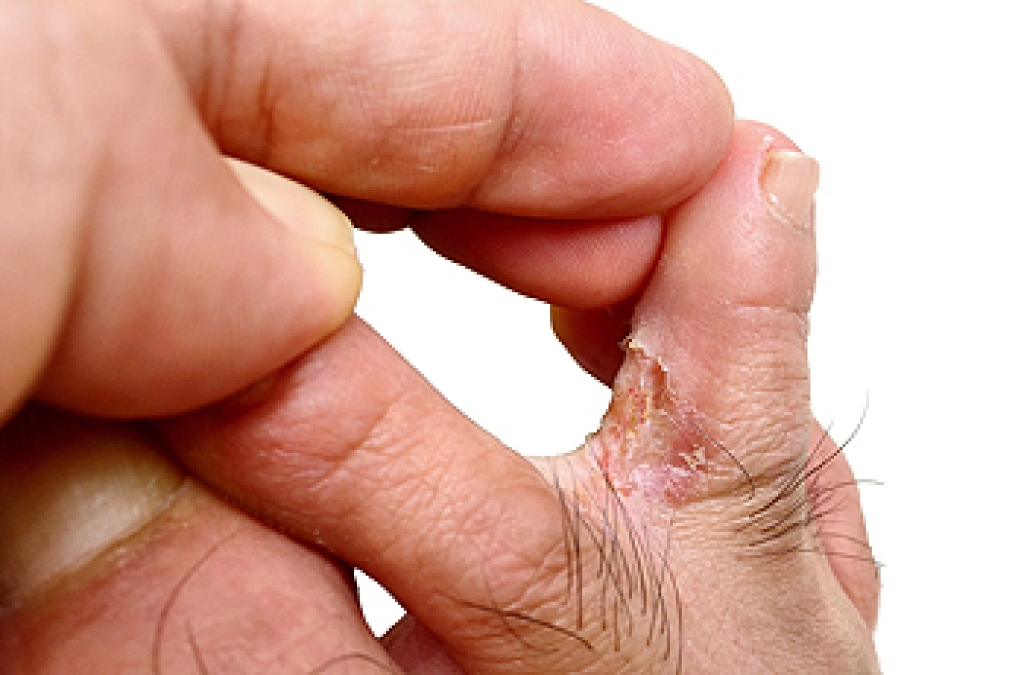
Athlete’s foot is a fungal infection that affects the skin, usually between the toes and along the soles of the feet. It develops when fungi grow in warm, moist environments, making sweaty shoes and damp socks ideal places for infection to spread. Although the condition is often associated with athletes, anyone can develop athlete’s foot. The infection may begin with mild irritation, but can become uncomfortable without proper care. Common symptoms include itching, burning, and peeling skin. Some people also notice cracking between their toes, which makes walking uncomfortable. Recognizing the early signs of athlete’s foot helps you seek podiatric treatment before the infection spreads.

The main cause of athlete’s foot is contact with fungi that thrive in warm, damp conditions. These organisms can spread through contaminated floors, socks, and footwear. Walking barefoot in shared showers, locker rooms, or pool areas increases exposure. Wearing tight shoes that trap moisture also creates an environment where fungi can multiply. People who sweat heavily may face a greater risk because damp skin encourages fungal growth. The infection can spread from one foot area to another, including the toenails, when left untreated. Keeping your feet clean and dry is an important step toward limiting fungal growth and reducing the chance of recurring infections.


Athlete’s foot looks different depending on the affected area and severity. The skin between the toes may become white and soggy before peeling or cracking. Other people develop dry, scaly skin across the soles or sides of their feet. Persistent itching and burning make wearing shoes unpleasant, while open cracks may increase the risk of additional skin infections. Risk factors include having a previous fungal infection, sharing personal items, and wearing damp footwear for extended periods of time. People with diabetes or reduced circulation should be especially careful because skin damage leads to complications. Avoid scratching affected areas, and do not share towels or shoes while symptoms are present.


A podiatrist examines your feet to determine whether the symptoms are caused by athlete’s foot or another skin condition. If necessary, a small skin scraping may be examined to help confirm a fungal infection. Treatment may include an appropriate antifungal cream, spray, or prescription medication depending on the severity. If you notice itching, peeling, or cracking skin that may indicate athlete’s foot, it is suggested that you consult a podiatrist for an accurate diagnosis and appropriate treatment, which may include prescribed medication.

Athlete’s foot is an inconvenient condition that can be easily reduced with the proper treatment. If you have any concerns about your feet and ankles, contact John Killough, DPM from Regional Foot Center.  Our doctor will treat your foot and ankle needs.

Athlete’s Foot: The Sole Story

Athlete's foot, also known as tinea pedis, can be an extremely contagious foot infection. It is commonly contracted in public changing areas and bathrooms, dormitory style living quarters, around locker rooms and public swimming pools, or anywhere your feet often come into contact with other people.

Solutions to Combat Athlete’s Foot

  • Hydrate your feet by using lotion
  • Exfoliate
  • Buff off nails
  • Use of anti-fungal products
  • Examine your feet and visit your doctor if any suspicious blisters or cuts develop

Athlete’s foot can cause many irritating symptoms such as dry and flaking skin, itching, and redness. Some more severe symptoms can include bleeding and cracked skin, intense itching and burning, and even pain when walking. In the worst cases, Athlete’s foot can cause blistering as well. Speak to your podiatrist for a better understanding of the different causes of Athlete’s foot, as well as help in determining which treatment options are best for you.

If you have any questions please feel free to contact our offices located in Charleston, IL . We offer the newest diagnostic and treatment technologies for all your foot and ankle needs.

Read more about Athlete's Foot

Women’s Foot Health and Causes of Foot Pain

Women's feet face many changing demands throughout life, and certain shoe styles add pressure that contributes to pain. Narrow-fitting shoes squeeze the toes, while high heels shift body weight toward the ball of the foot. This pressure increases irritation around joints and nerves in the toes, feet, and ankles. High heels also affect balance and place added strain on the ankles. Pregnancy brings additional changes as increased body weight and looser ligaments affect foot support. Some women notice flatter arches or a change in shoe size while pregnant. Persistent foot pain should not be accepted as part of daily life.

A podiatrist evaluates these changes and identifies problems that interfere with comfortable movement. Burning pain in the ball of the foot sometimes signals Morton's neuroma. This is a thickening of tissue around a nerve between the toes. It usually affects the space between the third and fourth toes. Symptoms include tingling, numbness, or the feeling of a tiny pebble inside the shoe. Wearing tight shoes and repeated pressure from sports also contribute to nerve irritation. A podiatrist examines the painful area and checks for other possible causes. In some cases, ultrasound scans help clarify the diagnosis. Treatment includes carefully placed padding or custom orthotics to reduce pressure. For persistent symptoms, a podiatrist discusses additional treatments, which may include surgery.

Heel pain also affects many women, particularly when shoes lack proper support or daily activities repeatedly strain the feet. Plantar fasciitis involves irritation of the strong band of tissue connecting the heel to the toes. Pain frequently appears with the first steps after rest. However, heel pain also results from stress fractures or tendon problems, making an accurate diagnosis essential. A podiatrist assesses foot structure and walking patterns, then orders imaging tests when appropriate. Treatment addresses the cause through options like custom orthotics or prescribed supportive devices. If you are experiencing any of these foot problems, it is suggested that you schedule an appointment with a podiatrist for a diagnosis and appropriate treatment.

Everyday foot care is very important to prevent infection and other foot ailments. If you need your feet checked, contact John Killough, DPM from Regional Foot Center. Our doctor can provide the care you need to keep you pain-free and on your feet.

Everyday Foot Care

Often, people take care of their bodies, face and hair more so than they do for their feet. But the feet are a very important aspect of our bodies, and one that we should pay more attention to. Without our feet, we would not be able to perform most daily tasks.

It is best to check your feet regularly to make sure there are no new bruises or cuts that you may not have noticed before. For dry feet, moisturizer can easily be a remedy and can be applied as often as necessary to the affected areas. Wearing shoes that fit well can also help you maintain good foot health, as well as making it easier to walk and do daily activities without the stress or pain of ill-fitting shoes, high heels, or even flip flops. Wearing clean socks with closed shoes is important to ensure that sweat and bacteria do not accumulate within the shoe. Clean socks help to prevent Athlete’s foot, fungi problems, bad odors, and can absorb sweat.

If you have any questions, please feel free to contact our offices located in Charleston, IL . We offer the newest diagnostic and treatment technologies for all your foot care needs.
Read more about Every Day Foot Care
Connect with us